


Why Choose Us
Rich Experience
Huizhou Jiyan Hardware Co, Ltd. is a manufacturer specialized in reasearch, development and production of high precision machining non-standard parts. Our boss has been engaged in the hardware processing industry for more than 20 years, has a wealth of processing experience.
One-Stop Solution
Factory has a very strong ability to integrate the supply chain, can provide one-stop supporting services from design, production, surface treatment, assembly and packaging.
Wide Product Range
Professional manufacturing of various metal or non-metal parts, including CNC precision turning parts,CNC precision milling parts, automatic lathe parts, EDM / wire cutting parts, extrusion, die casting, powder metallurgy, stamping etc.
Reliable Product Quality
All of our products comply with international quality standards and exported tp America, Australia, Italy, Janpan, Russian and 20 other countries and regions.
What is Casting
Casting is a manufacturing process in which a liquid material is usually poured into a mold, which contains a hollow cavity of the desired shape, and then allowed to solidify. The solidified part is also known as a casting, which is ejected or broken out of the mold to complete the process. Casting materials are usually metals or various time setting materials that cure after mixing two or more components together; examples are epoxy, concrete, plaster and clay. Casting is most often used for making complex shapes that would be otherwise difficult or uneconomical to make by other methods.


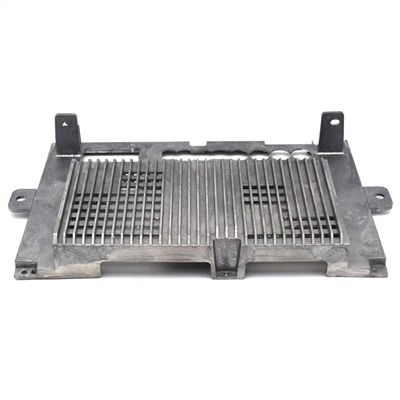


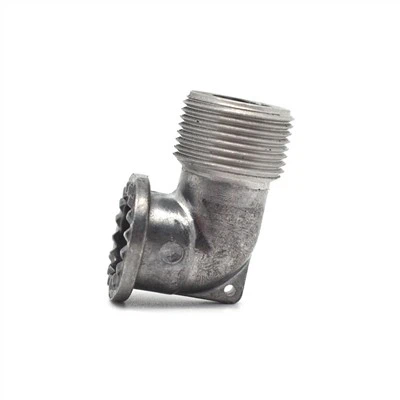


Advantages of Casting



Complex Geometry and Design Freedom
Casting excels in producing intricate and complex geometries that would be challenging or impossible to achieve through fabrication processes. By using molds, metal can be poured into intricate shapes with fine details, internal cavities, and varying thicknesses. This versatility allows for the creation of components that have intricate internal features or unique external designs. Whether it's a turbine blade with precisely engineered contours or a customized industrial casting, casting provides engineers and designers with unparalleled design freedom.
Material Efficiency and Waste Reduction
One of the key advantages of casting is its superior material efficiency. Casting techniques, such as investment casting or sand casting, enable near-net-shape production. This means that the castings require minimal post-processing or machining, resulting in less material waste compared to fabrication processes. With fabrication, excess material is often removed through cutting, milling, or grinding, leading to higher material wastage. casting minimizes such waste, making it a more sustainable and cost-effective solution.
Cost-Effectiveness
Casting offers significant cost advantages, particularly in large-scale production. Once the initial casting mold or pattern is created, it can be used repeatedly to produce multiple identical components. This leads to economies of scale, reducing the cost per unit. On the other hand, fabrication processes often require individual fabrication or machining for each component, resulting in higher labor and tooling costs. casting's ability to streamline production and achieve mass production efficiently makes it an economically viable choice for industries requiring high volumes of components.
Strength, Durability, and Material Selection
Castings possess exceptional strength, durability, and the ability to withstand demanding operating conditions. The casting process allows for the selection of specific alloys and heat treatments, tailoring the mechanical properties of the cast parts to meet the required specifications. This flexibility enables manufacturers to produce components with high tensile strength, resistance to corrosion, heat resistance, and superior wear characteristics. Fabrication processes, on the other hand, may involve welding or joining multiple pieces, which can lead to weaker points and potential structural vulnerabilities.
Versatility in Material Choice
Casting provides a broad range of material choices, including various metals and alloys. From aluminum and steel to copper, bronze, and even exotic alloys, castings can be tailored to meet specific application requirements. This versatility allows manufacturers to select the ideal material with the desired properties, such as high conductivity, lightweight, or superior chemical resistance. Fabrication processes may be limited to working with certain materials or require additional steps to achieve the desired material properties.
Sand Casting
Sand casting is one of the most popular and easiest types of casting and has been used for centuries. Sand casting enables smaller batches than permanent mold casting and at a very reasonable cost. Not only can manufacturers use this method to produce products at a low cost, but sand casting also offers other advantages, such as very small operations.
Investment Casting
Investment casting is also known as lost wax casting, it uses a disposable wax pattern for each cast part. In this type of Casting, wax is directly injected into a mold, removed, and then coated with refractory material and binding agent, usually in several stages, to build a thick shell.
Die Casting
Die casting is a method of molding materials by forcing molten metal under high pressure into a mold cavity. Most die castings are made from non-ferrous metals especially zinc, copper, and aluminum-based alloys. However, iron metal die-cast parts are possible.
Low-Pressure Casting
In low-pressure casting, the die is filled with metal from a pressurized furnace, the pressures typically being around 0.7 bar. The holding furnace is located in the lower part of the vertical die casting machine, with the molten metal being injected straight up into the bottom of the mold. The pressure holds the metal in the die until it solidifies.
Centrifugal Casting
Centrifugal casting is used to make long, cylindrical parts like cast iron pipes by relying on the G-forces developed in a spinning mold. Molten metal introduced into the mold is flung against the inside surface of the mold, creating a cast that can be void-free.
Gravity Die Casting
Gravity Die Casting is a permanent mold casting process, where the molten metal is poured from a vessel or ladle into the mold. The mold cavity fills with no force other than gravity, filling can be controlled by tilting the die. Undercuts and cavities can be machined into the component shape using sand cores. This type of casting offers a better surface quality than sand casting as well as better mechanical properties, both due to the rapid solidification.
Vacuum Die Casting
Vacuum-assisted die casting is an important process capability at Kennedy Die Casting. The vacuum evacuation of the die cavity reduces gas entrapment during metal injection and decreases porosity in the casting. The result is die-casting with a higher level of quality.
Squeezing Die Casting
Squeeze casting, also called liquid forging, is a hybrid metal forming process that combines permanent mold casting with die forging in a single step where a specific amount of molten metal alloy is poured into a preheated and lubricated die and subsequently forged and solidified under pressure.
Lost Foam Casting
Lost-foam casting (LFC) is a type of evaporative-pattern casting process that is similar to investment casting except foam is used for the pattern instead of wax. This type of casting takes advantage of the low boiling point of polymer foams to simplify the investment casting process by removing the need to melt the wax out of the mold.
Continual Casting
Continuous casting is a refinement of the casting process for the continuous mass production of metal profiles with a constant cross-section. Molten metal is poured into a water-cooled, open-ended mold that allows a “skin” of solid metal to form over the still-liquid center, gradually solidifying the metal from the outside in.

What Are the Common Materials Used in Casting
Magnesium
Magnesium alloys are commonly used in casting due to their lightweight properties and good strength-to-weight ratio. They are often utilized in applications for which weight reduction is crucial, such as: aerospace components and automotive parts.
Aluminum
Aluminum is a versatile casting material known for its excellent corrosion resistance, high thermal conductivity, and good mechanical properties. It is widely used in various casting methods, including: sand casting, die casting, and investment casting. Aluminum is utilized in industries such as: automotive, aerospace, and consumer goods. For more information, see our guide on the Physical Properties of Aluminum.
Iron
Iron is a widely used casting material that comes in different forms, including gray iron and ductile iron. Gray iron is known for its good casting properties, high thermal conductivity, and damping capacity, making it suitable for applications such as: engine blocks, pipes, and automotive components. Ductile iron, also known as nodular or spheroidal graphite iron, offers higher strength, toughness, and ductility, making it ideal for applications requiring greater load-bearing capabilities.
Zinc
Zinc is commonly used in die casting due to its low melting point, excellent flow characteristics, and dimensional stability. It is often chosen for casting intricate shapes and thin-walled components. Zinc castings find applications in various industries, including: automotive, electronics, and consumer products.
Steel
Steel is a strong and durable casting material used for applications that require high strength, wear resistance, and impact resistance. It is suitable for heavy-duty components subjected to harsh conditions, such as: machinery parts, construction equipment, and tools. For more information, see our guide on What Makes Up Steel.
Copper Alloys
Copper alloys, such as bronze and brass, are popular casting materials known for their excellent electrical conductivity, corrosion resistance, and thermal conductivity. They are commonly used in: electrical and plumbing components, decorative items, and musical instruments.
Lead Alloys
Lead alloys are utilized in certain casting applications, primarily due to their low melting point and malleability. They are used in specialized industries, including: radiation shielding, battery manufacturing, and certain industrial applications. It is important to note that the use of lead is carefully regulated due to its potential environmental and health concerns.
5 Uses of Metal Casting
The automobile industry uses metal casting to make various components using ferrous, non-ferrous metals and their alloys. This industry uses different casting methods to make these components as it is an effective way to create parts that are lightweight, easy to install, and cheap. Die casting is the most popularly used casting process in this industry, while zinc and aluminum are the most commonly used metals to produce automobile casting equipment. These metals are ideal as they are just ⅓ of the weight of steel parts while maintaining good durability.
The medical industry makes use of metal casting because it is a quick process. In this application, metals like stainless steel and aluminum are most commonly used. These metals offer superior strength, cleanability, and lightness — qualities that many medical and healthcare products need to have. The medical industry typically uses rapid metal casting, as products need to be fabricated quickly and in small quantities, while also meeting tight tolerances and strict requirements.
Mass production for electronic parts — both industrial and commercial — is common, which is why metal casting is a valuable method for this industry. Metal casting allows the electronics industry to quickly prototype electronic parts, create short-run orders for specialist equipment, and create high-quality housings and assemblies for a variety of products. Telecommunications equipment in particular use metal casting and zinc, magnesium, and aluminum metals often, due to their high conductivity, low weight, and durability.
Metal casting is also applied in the aerospace industry. From civilian aircraft to jet fighters, there are several applications for this method. In particular, magnesium, aluminum, and their alloys are the most widely used in the industry due to their favorable durability, weight, and resistance even under increasingly demanding conditions. In the last decade, magnesium alloy castings have become the most popular choice in aerospace due to their superior corrosion performance. These alloys also offer low density and excellent temperature mechanical properties.
For plant machinery — especially those that transport sensitive chemicals and materials — corrosion resistance is of utmost importance. Aside from that, it is desirable to have machinery that is both light and strong. For that reason, metal casting is the preferred method for making a variety of industrial equipment. In regards to the material, titanium is the most common metal used in metal casting for plant machinery. Some common examples of industrial plant products fabricated from metal casting and titanium are manufacturing equipment, such as vats, filters, and pressure vessels.
What Is the Process of Casting
Step 1: Create The Pattern
Before you make your mold, you must create a pattern to determine the mold’s shape. The pattern can be a 3-dimensional model of your final cast. It may be shaped in wax, sand, plastic, or even wood. Some casters use molds made of plaster or silicone, which are materials that could not withstand a molten metal cast but allow the caster to mass-create wax multiples to use in expendable mold casting.
Step 2: Make The Mold
After you have created a pattern, it is time to make your mold. As we mentioned above, you may choose to make a reusable mold, which is typically made from metal, or a single-use mold, which may be made from sand, plaster, or ceramic shell. Each of these methods for making molds are optimized for different casting metals and various levels of pattern complexity.
Step 3: Choose The Metallic Alloy
All metal castings are produced from either ferrous or non-ferrous alloys. Alloys are a mixture of elements that provide the best mechanical properties for the final cast’s use. Ferrous alloys include steel, malleable iron, and gray iron. Non-ferrous alloys that are most commonly used in casting are aluminum, bronze, and copper. If you are working with precious metals in a jewelry studio, you may work with silver, copper, gold, and platinum.
Step 4: Melt The Alloy
Melting processes vary between alloys because each alloy will have a different melting temperature. Essentially, melting consists of placing the solid alloy in a crucible and heating it over an open flame or inside of a furnace.
Step 5: Pour Into The Mold
Pour the molten metal into the mold cavity. If it is a small casting, you may simply pour from the crucible where the metal was heated directly into the mold. A larger casting may require a small team to support heating the metal inside of a furnace and transferring the metal into a larger crucible or ladle before being poured into the mold.
Step 6: Remove The Casting From The Mold.
When the metal has cooled and solidified, you can remove it from the mold. If you cast into a single-use mold, you can break away the mold from the casting. If you used a plaster investment, you will want to quench the plaster in water after the metal has solidified. The water will help break away the mold. For reusable molds, you may use ejector pins to extract your casting.
Step 7: Finishing
File and polish your solid metal cast! This may involve cleaning your cast metal object, like scrubbing away excess mold material in water, breaking off the casting gates with clippers for small objects, or even an angle grinder for large pieces.
Compares Aluminium and Steel Casting Properties
Strength
Steel is generally stronger than aluminium. However, steel is not the strongest metal. If a product requires enough strength, steel is a good choice. It can be used in a variety of applications and industries. Compared to steel, aluminium is also strong but appears inferior.
Weight
Steel is generally stronger than aluminium. However, steel is not the strongest metal. If a product requires enough strength, steel is a good choice. It can be used in a variety of applications and industries. Compared to steel, aluminium is also strong but appears inferior.
Corrosion Resistant
Despite its corrosion resistance, steel is more prone to rusting than aluminium. Because of this, aluminium is preferred for products used in moist or wet environments. Various kinds of steel exhibit varying levels of corrosion resistance. For example, carbon steel is prone to rusting easily. Steel such as stainless steel offers good corrosion resistance. For rust-free products, aluminium casting is an excellent choice.
Cost
Depending on the type of casting, the cost may vary. A steel or aluminium casting can be very expensive, especially if they were made of high-quality alloys. There may be differences in cost based on the type of product made, quality, and brand or manufacturer.
Heat Strength
Compared to steel castings, aluminium castings have a low heat strength. Aluminium melts at low temperatures, so it can be used for both creating products and for modifying them. However, if the product will be used in a high-temperature environment, steel casting is recommended.
Functionality
The workability of the casting does not end once it has been made. There may still a lot of processes needed to create the final product. In terms of workability, aluminium is easier to melt, which makes it more fluid and easier to pour into molds. It is also easier to work on aluminium castings since they are less stiff than steel, while steel castings require much more effort to work on.
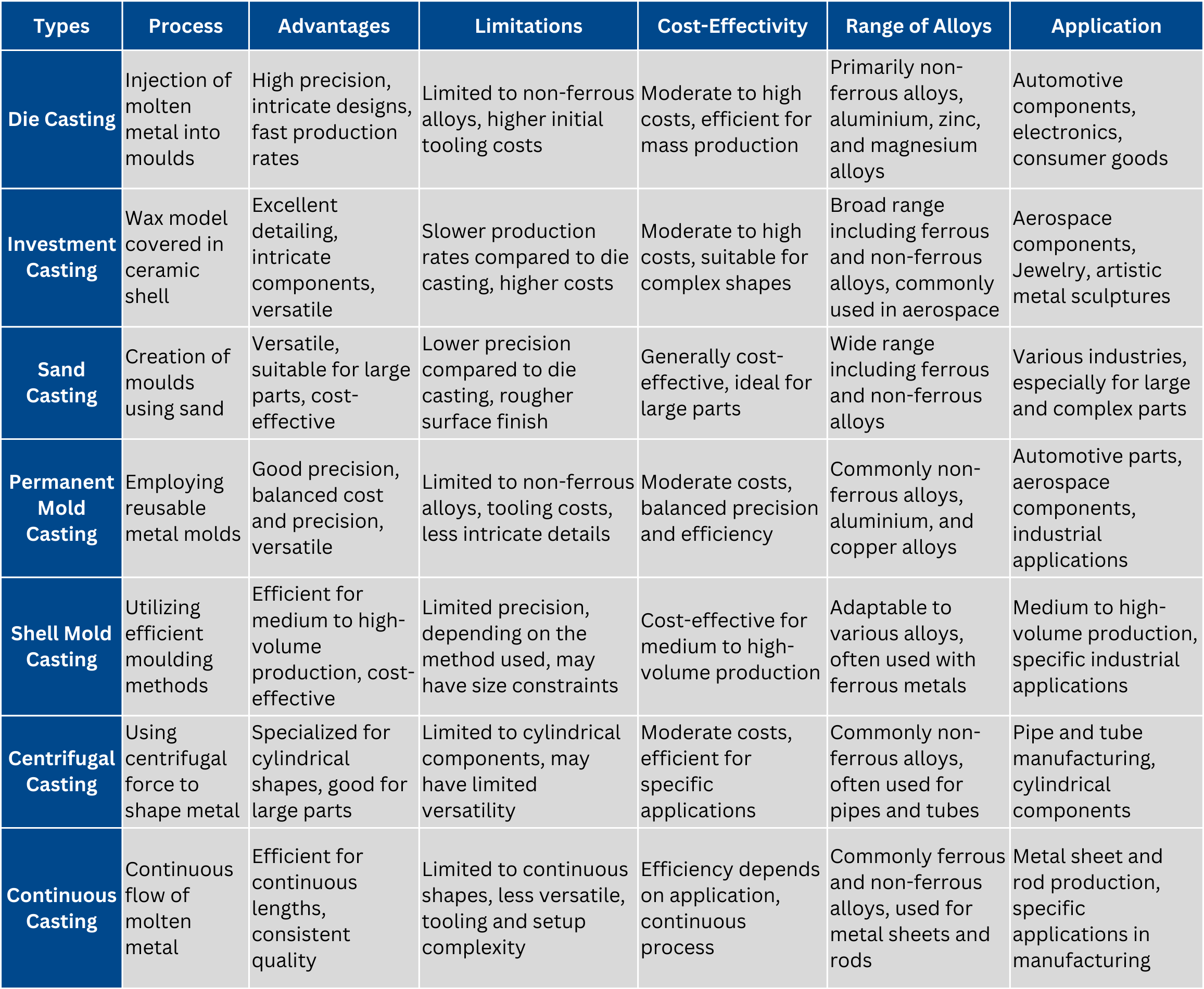
Comparison of Different Casting Process
To ensure the manufacturing process is carried out effectively, it is important to evaluate the characteristics of different casting methods. Understanding the differences between various casting processes is crucial when choosing the most suitable one to meet your specific requirements.
How to Choose the Suitable Casting Process for Casting?
Manufacturing Quantity
Die Casting is best for large-scale manufacturing because of its efficiency. Due to inefficiencies, certain sand-casting versions may not meet significant production needs.
Surface Finish
For accuracy and aesthetic applications, Investment Casting leads with its high-quality finish. However, certain sand casting techniques struggle to achieve precise features, affecting surface smoothness.
Cost
Sand Casting is most cost-effective for bigger and custom-shaped components. While efficient, die casting may cost more due to mould fabrication complexity.
Time and Speed
Die Casting is speedier, making it perfect for time-sensitive applications. Investment casting, with its wax patterns and ceramic moulds, moves more slowly, making it less desirable for speed.
Strength
Centrifugal casting excels in cylindrical components for constant strength. However, certain sand-casting versions may lack power.
Shape and Size
Die Casting is versatile and suited for big pieces because of its ability to accommodate different forms and sizes. However, investment casting may struggle with massive, basic forms.
Our Certifications
ISO9001 Quality management system certification; ISO14001 Environmental management system certification; ISO13485 Medical devices quality management system; SGS Report; Patent Certificate.

Huizhou Jiyan Hardware Co.,Ltd located in Huizhou, Guangdong of China, mainly specializes in developing, manufacturing and selling all kinds of customized metal and plastic parts. Huizhou Jiyan Hardware Co, Ltd. is a manufacturer specialized in reasearch, development and production of high precision machining non-standard parts. All of our products comply with international quality standards and exported tp America, Australia, Italy, Janpan, Russian and 20 other countries and regions. If you are interested in any of our products or would like ti discuss a custom order, please feel free to contact us.

Ultimate FAQ Guide to Casting
As one of the most professional casting manufacturers and suppliers in China, we're featured by quality products and good service. Please rest assured to buy customized casting from our factory. Contact us for quotation and free sample.
cnc titanium machining, cnc structural parts, 5 axis cnc parts