


Why Choose Us
Rich Experience
Huizhou Jiyan Hardware Co, Ltd. is a manufacturer specialized in reasearch, development and production of high precision machining non-standard parts. Our boss has been engaged in the hardware processing industry for more than 20 years, has a wealth of processing experience.
One-Stop Solution
Factory has a very strong ability to integrate the supply chain, can provide one-stop supporting services from design, production, surface treatment, assembly and packaging.
Wide Product Range
Professional manufacturing of various metal or non-metal parts, including CNC precision turning parts,CNC precision milling parts, automatic lathe parts, EDM / wire cutting parts, extrusion, die casting, powder metallurgy, stamping etc.
Reliable Product Quality
All of our products comply with international quality standards and exported tp America, Australia, Italy, Janpan, Russian and 20 other countries and regions.
What is CNC Milling Service
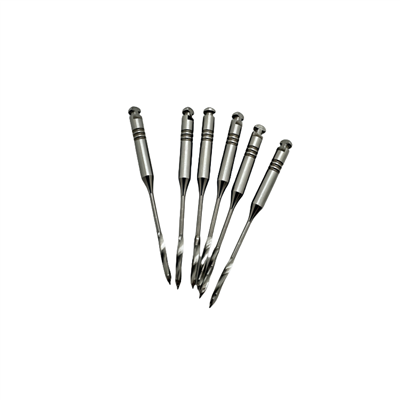
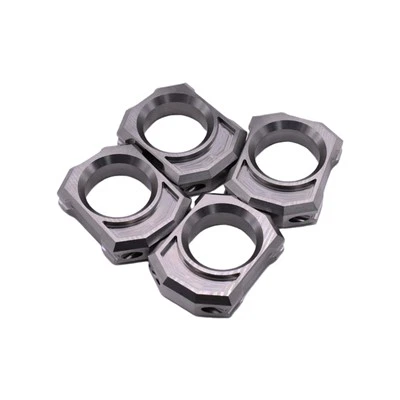
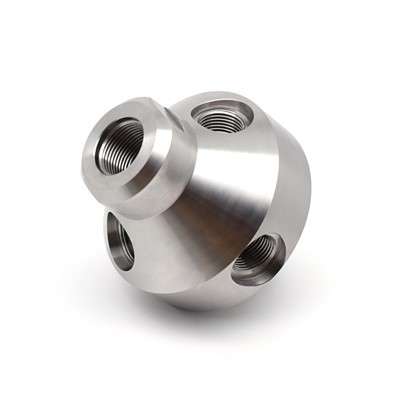
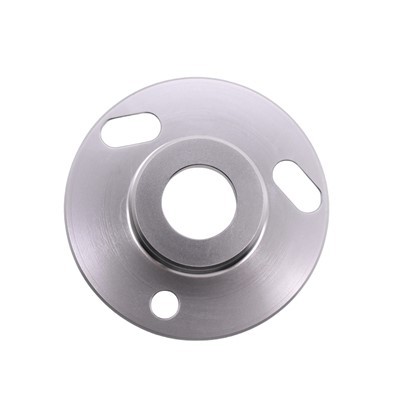
CNC milling is a CNC process that involves the use of rotating cutters to remove portions of a block of material (or workpiece) till the desired custom shape (or feature) is made. It allows manufacturers to create intricate parts accurately while meeting tight tolerance requirements.






Advantages of CNC Milling Service
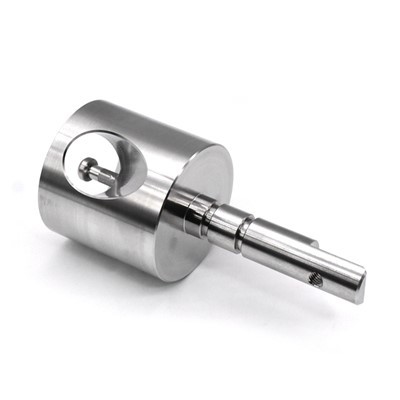

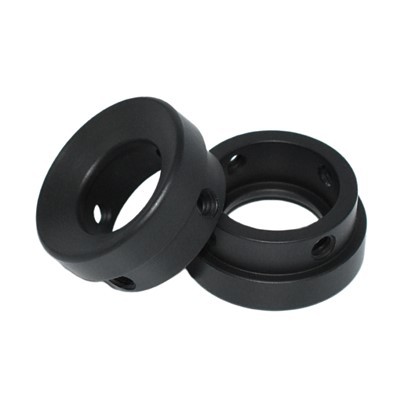
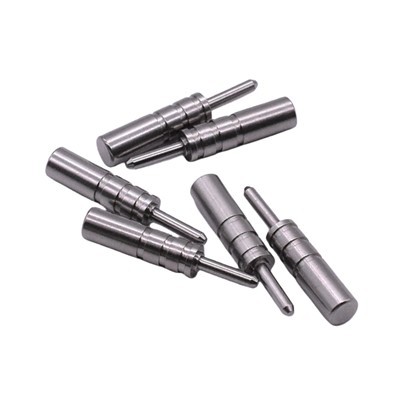
High quality and precision is guaranteed
The very nature of CNC machining as a process leaves very little room for error and high levels of accuracy and precision. This is because it operates from a computer-led program, inputting 3D designs that have been developed via CAD (Computer-Aided Design). The manufacturing process begins when operations are launched via a machine interface. The machine executes instructions received from the machining program without the need for manual input. These automated processes allow for ultimate precision to ensure even the most finite and complex geometry can be technically managed.
CNC milling allows for high production output
The level at which CNC machines operate means they are capable of high levels of production due to the automated processes involved. CNC milling is a trusted and popular option if a part needs to be produced in high volume, with every part meeting the same level of consistency in terms of quality and finish. It is particularly easy to program and operate a 3-axis machine, achieving high accuracy at a low cost.
CNC milling is a less labour intensive process
Using a CNC milling machine significantly reduces the labour involved in the production process. At total capacity, CNC milling tools can spin at thousands of RPM (revolutions per minute), resulting in high production output while also being a time-saving expense. No manual processes could achieve a similar output. It’s worth noting that the simpler the design is, the less human intervention is needed. For example, if a complicated design required the blank to be moved in the process, this would involve machinists to ensure the process was completed safely and securely.
CNC milling machines with uniformity
CNC machining tools are designed and developed to cut away at the workpiece with the highest levels of accuracy. The movement is directed by the computer program, meaning every single part is produced with the same level of accuracy. On a broader scale, components can be produced in high volume, with the manufacturer safe in the knowledge all completed parts will be of the same standard and finish.
Types of CNC Milling Service
Vertical milling
With vertical milling, a 3-axis milling table is the work surface, which sits below the arm, to which a spindle is attached.
The spindle can be stationary if a turret vertical mill is used. In this case, the table moved along both X and Y axes.
Meanwhile, the table only moves along the X-axis if a bed vertical mill is used. The spindle travels along the length of the arm in the Y-axis direction.
Horizontal milling
With horizontal milling, the spindle operates horizontally instead of vertically, and all other horizontal CNC milling machine components are similar to vertical milling.
Generally speaking, horizontal mills are best suited to heavier projects or longer projects. They are also suited to parts that require a large amount of material to be removed as the swarf falls away from the part and cutter.
Face milling
The cutting tool’s axis of rotation is perpendicular to the surface of the workpiece.
It employs face milling cutters, with teeth both on the periphery and the tool face, the latter of which is used for finishing applications.
Face milling is also used to create flat surfaces and control a finished piece. Face milling can produce higher-quality finishes than other milling processes and is compatible with vertical and horizontal milling machines.
Plain milling
The cutting tool’s axis of rotation is parallel to the surface of the workpiece. Plain milling cutters have teeth on the periphery that perform the cutting operation. Both narrow and wide cutters are used.
This allows for deeper cuts and for larger surface areas to be worked on. A coarse and fine-toothed cutter are both used. Slow cutting speeds and fast feed rates are used for the course cutter and vice versa for the fine-toothed cutter. This enables a more detailed final part.
Angular milling
This is a milling operation where the cutting tools’ axis of rotation is at an angle relative to the surface of the workpiece.
Therefore, single-angled milling cutters can produce more angular features, such as grooves, serrations, or chamfers.
Form milling
Form milling is best used for milling operations where more irregular surfaces are involved. Contours, outlines, edges, or parts with curved, flat surfaces.
It employed milling cutters or fly cutters specialised for particular applications – for example, concave cutters or corner rounding cutters. Hemispherical or semi-circular designs or other similarly intricate designs with complex parts would benefit from the form milling technique.
Application of CNC Milling Service
1.Aerospace industry
CNC milling is essential in the aerospace industry for creating lightweight, high-strength components with tight tolerances, such as engine parts, landing gear, and structural components.
2.Automotive industry
The automotive industry relies on CNC milling for the production of engine components, transmission parts, and other intricate components that require high precision and durability.
Medical industry
CNC milling is widely used in the medical industry to manufacture surgical instruments, prosthetics, and medical devices with complex geometries and stringent quality requirements.
Electronics industry
CNC milling is employed in the electronics industry for creating PCBs, connectors, and heat sinks, as well as producing custom enclosures and other components.
Other industries
CNC milling is utilized across various industries, including defense, energy, marine, and consumer goods, for the production of complex, high-quality parts.

Preparation of workpiece
The workpiece must be prepared by cleaning, deburring, and securing it to the workholding device (such as a vise or fixture).
Loading of workpiece
The workpiece is then loaded onto the CNC milling machine and properly aligned with the machine’s coordinate system.
Selection of cutting tools
Choosing the appropriate cutting tools is crucial for achieving the desired part geometry and surface finish. Factors to consider include tool material, geometry, and size.
Selection of cutting parameters
Cutting parameters, such as spindle speed, feed rate, and depth of cut, must be carefully selected based on the workpiece material, cutting tool, and desired outcome. These parameters play a vital role in determining the overall efficiency and quality of the milling process.
Execution of milling process
The CNC milling process begins with the machine executing the CNC program, guiding the cutting tools through the necessary movements to remove material and shape the workpiece. Continuous monitoring and adjustments may be required to ensure optimal results.
Post-processing of workpiece
Once the milling process is complete, the workpiece may require additional post-processing, such as deburring, polishing, or surface treatment, to meet the desired specifications.
Types of Machines in CNC Milling Service
Horizontal milling machine
Horizontal milling machines use a horizontal cutting spindle that rotates around the static workpiece and removes the material from the surface. CNC milled parts designed with horizontal milling machines are more precise than vertical milling machines.
Vertical milling machine
A vertical milling machine holds the spindle vertically, which rotates the tool in a vertical orientation against the surface of the workpiece. It uses long and sharp cutting tools as compared to that horizontal. Vertical milling is the most used method for manufacturing parts with a milling machine.
Bed type milling machines
A bed-type milling machine can move the workpiece table perpendicular to the axis. This extra rotation gives the spindle more freedom of movement to manufacture an intricate design with utmost precision.:
Turret milling machine
Turret milling machines can also rotate the workpiece perpendicular to the axis. It can also move the spindle parallel to the axis. It is more used than bed-type machines
3 axis milling machine
3 axis CNC machines approach the workpiece in 3 linear axes (x y and z). 3 axis CNC machine gives high performance for parts with moderate geometry. It also comes with a rotating table for complex geometries, best for the aeronautics industry. 4 and 5 axis CNC services are more suitable for complex designs.
5 axis milling machine
5 axis machining is used for the most complex and intricate production parts. 5 axis machines approach the workpiece in 3 linear (x y and z) and 2 rotational axes (a and b). It is used for complex manufacturing where the part needs machining on various sides. With these milling machines, we can reduce the time for manual repositioning the workpiece.
Plain milling machine
A plain milling machine can move in longitudinal, cross, and vertical angles. The axis of the spindle is usually parallel to the machined surface.
Duplex milling machine
This type of milling machine has both vertical and horizontal milling machines. The spindle head can move up and down and across the work table.
Future Trends and Advancements in CNC Milling
Advanced Materials
Manufacturers are now exploring the use of advanced materials such as composites and ceramics in CNC milling. These materials have properties that make them ideal for use in high-performance applications. Composites, for example, are lightweight and have excellent strength-to-weight ratios, while ceramics have high hardness and can withstand high temperatures.
Additive Manufacturing
Additive manufacturing, also known as 3D printing, is a technology that involves building up layers of material to create a final product. While it is not a new technology, it is gaining traction in the CNC milling industry, as it offers a number of benefits. For example, it allows for complex geometries to be created that would be difficult or impossible to achieve with traditional CNC milling techniques.
Automation and Robotics
Automation and robotics are increasingly being used in the CNC milling industry to improve efficiency and reduce the risk of errors. CNC milling machines can be programmed to run automatically, reducing the need for human intervention. Robotics can also be used to handle materials and tooling, further reducing the need for human operators. This can lead to improved productivity, increased accuracy, and reduced costs.
CNC Milling in Precision Manufacturing
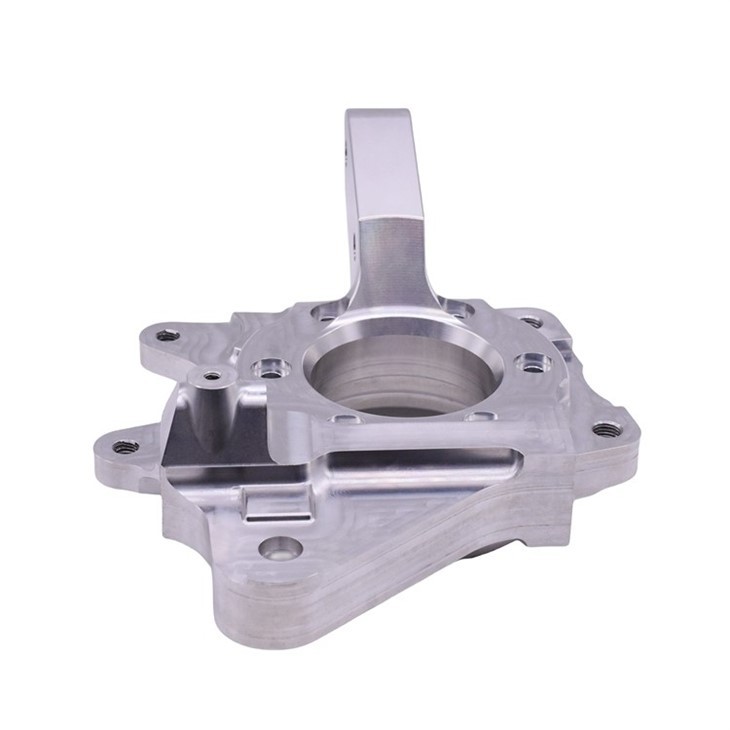
Benefits of CNC Milling in Precision Manufacturing
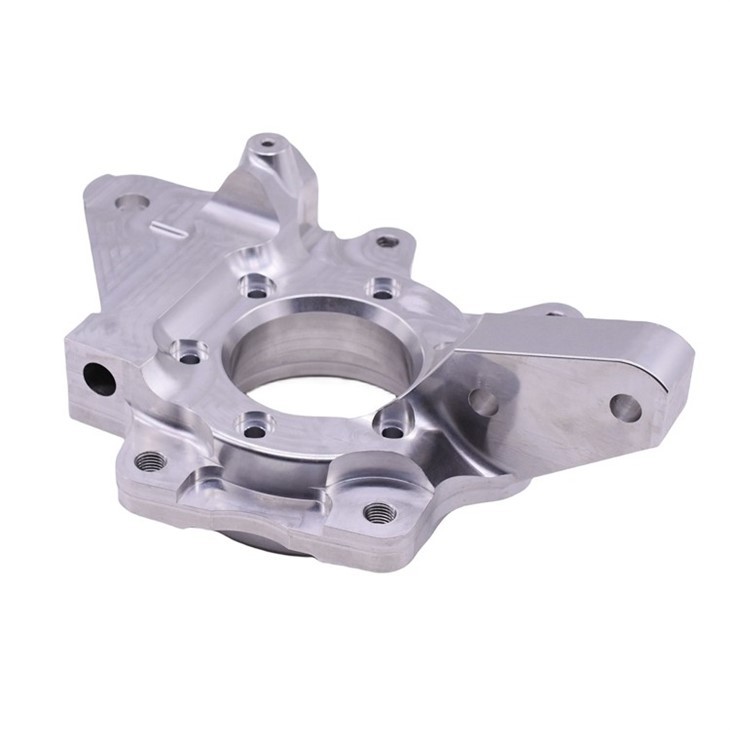
CNC milling in precision manufacturing offers a range of benefits over other manufacturing processes. One major advantage is the ability to create complex and intricate designs with high precision and repeatability. This technology ensures that every piece is identical and reduces the risk of error. CNC milling also enables the production of parts with tight tolerances and high accuracy.
Limitations of CNC Milling in Precision Manufacturing
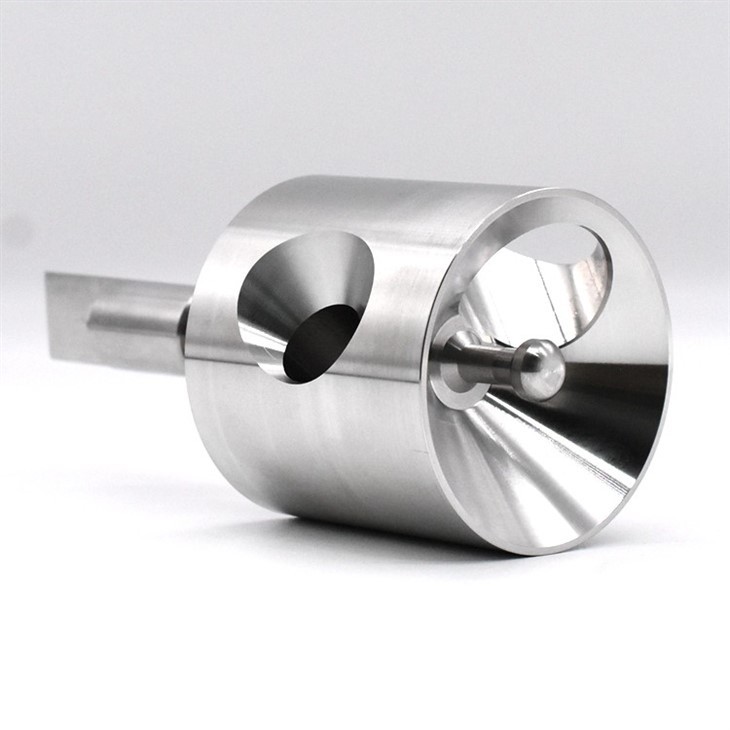
While CNC milling offers numerous advantages, there are also some limitations to consider. One challenge is the cost of the machines and tooling required to operate them. Additionally, certain parts and products may not be suitable or cost-effective for CNC milling. In these cases, other manufacturing processes may be more appropriate.
Career Opportunities in CNC Milling
CNC milling requires specialized training and education to operate and maintain the machines properly. There are several career paths available in the CNC milling and precision manufacturing industries, including CNC machinist, manufacturing engineer, and quality control technician, among others. These careers offer opportunities for growth and development, with many paths leading to managerial or leadership roles within an organization.
Differences Between CNC Milling and CNC Turning
CNC Milling: The cutting tool moves across a stationary workpiece, held in place by a vise or fixture. This allows for machining various shapes, including flat surfaces, angles, curves, and pockets.
CNC Turning: The workpiece rotates while the cutting tool remains stationary. This process excels at creating cylindrical shapes with internal and external features like holes, threads, and grooves.
CNC Milling: More versatile for machining complex geometries with multiple axes of movement, including 3D shapes, intricate features, and non-rotational designs.
CNC Turning: Primarily suited for cylindrical shapes and features like holes, threads, and tapers. Offers limited capabilities for non-rotational geometries.
CNC Milling: Diverse applications in various industries, including aerospace, automotive, medical, electronics, and general engineering. Ideal for complex prototypes, custom parts, and low-volume production.
CNC Turning: Widely used in manufacturing industries like automotive, aerospace, and machine tools. Perfect for high-volume production of rotational parts like shafts, gears, and bushings.
Setup Time: CNC milling often requires more complex setup due to the varied toolpaths and geometries involved.
Material Waste: CNC turning typically generates more material waste in the form of chips due to the rotational nature of the process.
Tooling: Milling utilizes a wider range of cutting tools for different purposes, while turning primarily uses lathe tools specific to shaping cylindrical forms.
Popular CNC Milling Materials
Aluminum
Lightweight, strong, and easy to machine, aluminum is a preferred choice for many industries, including aerospace and automotive. Its excellent thermal and electrical conductivity adds to its wide range of uses.
Stainless Steel
Known for its strength and resistance to corrosion, stainless steel is famous for applications that demand durability and longevity.
Brass
Brass offers a good balance of strength, corrosion resistance, and machinability, making it ideal for components like gears, valves, and fittings. Its decorative appearance also makes it popular in jewelry and artistic applications.
ABS Plastic
ABS is a rigid, impact-resistant plastic that machines well, making it a good choice for durable parts and prototypes. It’s commonly used in the automotive industry, consumer products, and electronic enclosures.
Nylon
This versatile plastic offers excellent wear resistance, high strength, and good machinability. It’s often used for gears, bushings, and other wear-resistant parts in industrial applications.
Tool Accessibility
All features should be accessible by the milling tool. Complex interior features or deep cavities may require specialized tools or multi-axis milling machines.
Part Orientation
The part’s positioning during the machining process affects the ease of manufacturing and final quality. It can influence tool access, machining time, and surface finish.
Tolerances
The level of precision necessary in the final part impacts the machining process and cost. Tighter tolerances often require slower machining speeds and more complex equipment, increasing production costs.
Feature Size and Type
The size and type of features in your design can affect the final part’s machinability and strength. Small features may require specialized tools, and thin walls or sharp internal corners can weaken the part or be difficult to machine.
Surface Finish
The desired surface finish can influence the machining process. Rough finishes are quicker and cheaper to produce. Find out more about the different finishing options.
Our Certifications
ISO9001 Quality management system certification; ISO14001 Environmental management system certification; ISO13485 Medical devices quality management system; SGS Report; Patent Certificate.

Huizhou Jiyan Hardware Co.,Ltd located in Huizhou, Guangdong of China, mainly specializes in developing, manufacturing and selling all kinds of customized metal and plastic parts. Huizhou Jiyan Hardware Co, Ltd. is a manufacturer specialized in reasearch, development and production of high precision machining non-standard parts. All of our products comply with international quality standards and exported tp America, Australia, Italy, Janpan, Russian and 20 other countries and regions. If you are interested in any of our products or would like ti discuss a custom order, please feel free to contact us.

Ultimate FAQ Guide to CNC Milling Service
As one of the most professional cnc milling service manufacturers and suppliers in China, we're featured by quality products and good service. Please rest assured to buy customized cnc milling service from our factory. Contact us for quotation and free sample.
304 stainless steel threaded rod, brake lathe repair parts, lathe groove cutter