


Why Choose Us
Rich Experience
Huizhou Jiyan Hardware Co, Ltd. is a manufacturer specialized in reasearch, development and production of high precision machining non-standard parts. Our boss has been engaged in the hardware processing industry for more than 20 years, has a wealth of processing experience.
One-Stop Solution
Factory has a very strong ability to integrate the supply chain, can provide one-stop supporting services from design, production, surface treatment, assembly and packaging.
Wide Product Range
Professional manufacturing of various metal or non-metal parts, including CNC precision turning parts,CNC precision milling parts, automatic lathe parts, EDM / wire cutting parts, extrusion, die casting, powder metallurgy, stamping etc.
Reliable Product Quality
All of our products comply with international quality standards and exported tp America, Australia, Italy, Janpan, Russian and 20 other countries and regions.
What is Powder Metallurgy Service
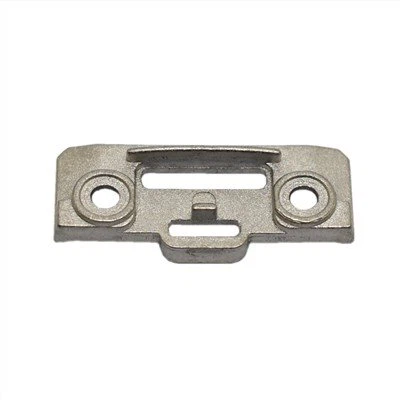
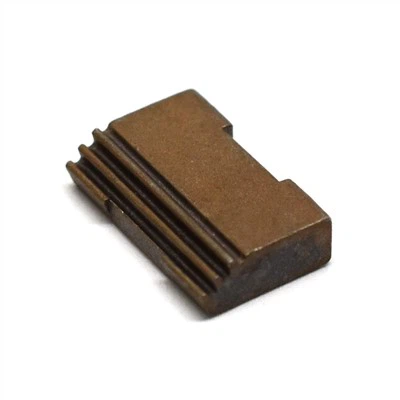
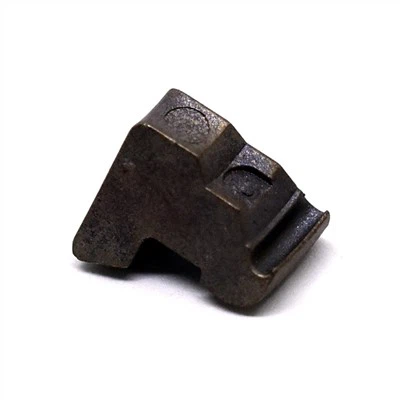
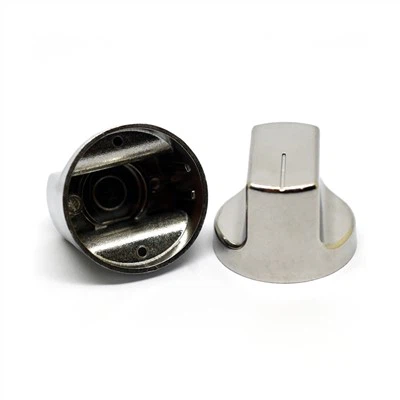
Powder metallurgy service is a metal-forming process of ferrous-powdered materials performed by pressing and sintering metal powder compacts near to net shape of the final component. It allows very complex geometries and intricate features. The process has existed for more than 100 years. It is now widely acknowledged as a superior way of producing high-quality sintered, structural components for a large array of applications in different industries.







Advantages of Powder Metallurgy Service


Waste Materials & Costs are Minimized
Nearly every manufacturing process strives to reduce waste and remain cost-effective. Powder metallurgy does both. PM is an environmentally friendly way to mass produce parts using more than 97% of the starting material, which other methods can't match. As mentioned above, the first step in the powder metallurgy process is creating metal powder. If there is any unused powder, it can be reused in another cycle, lowering waste right from the start of the process. During the compaction step in the powder metallurgy process, the components are pressed to their final size, so there isn't any excess scrap metal to remove in finishing.
Ability to Alter Final Properties
In powder metallurgy, four factors affect the properties of the final component:
● Powder type
● Powder's particle size
● Amount of binder
● Sintering conditions
When choosing the powder type, use multiple metals to create alloys unique to each part. The combination of alloys with binders determines the pH level, viscosity, and filtration level of the component. The remaining factors affect the part's performance and final properties, such as its porosity, hardness, and stress performance. The ability to alter the final part's properties is unique to powder metallurgy, and one of the reasons the process is still used today.
Producing Precise, Complex Parts
In addition to the specific properties PM offers, the process produces highly accurate and precise parts. Because powder particles are easily controlled, they can be formed into the desired shape quickly and easily.
Skipping the Finishing Process
Since parts are near-net shape after sintering, finishing isn't necessary. Skipping the finishing step can benefit in three ways:
● Saving costs by removing the need for additional materials
● Shortening the time to market by producing faster than processes with a long finishing step
● Maintaining consistency by having the same surface finish
● With highly precise parts that don't require finishing, the powder metallurgy process is advantageous to industries looking to cut down on time and costs, such as the automotive industry.
Applying Automation
Powder metallurgy is a cost-effective and consistent process – but automation takes it to the next level. Automation in powder metallurgy can be applied to the process from beginning to end, starting with the blending and compaction stages. Automated powder blenders precisely measure powder and accurately mix them. From there, the powders can automatically be compacted by hydraulic or mechanical presses, resulting in a consistent density every time. Once the part moves to the sintering phase, automated sintering furnaces can be temperature-controlled and regulated to ensure the highest quality.
Conventional
Conventional powder metallurgy follows each of the steps of basic powder metallurgy where the powder and alloy are mixed, compacted, and sintered. It is much like the ancient method of powder metallurgy with the added benefit of modern technology.
Injection Molding
The unique benefit of injection molding is its ability to produce complex shapes in large quantities. The powders for injection molding are specially formulated with a binder, such as wax or a thermoplastic. The mixture, referred to as feedstock, is fed into the mold cavity of a normal injection molding machine. When the green compact is discharged from the mold, the binder is extracted by thermal processing or solvent. Any remaining binder dissipates during sintering.
Isostatic Pressing
Isostatic pressing is an equal pressure process wherein the same amount of pressure is applied to the entire surface of the workpiece. By applying pressure equally from all directions, every angle, curve, line, and depth of the part has the same density and microstructure. Isostatic pressing can be performed either cold or hot depending on the requirements of the piece being produced.
Metal Additive
Metal additive manufacturing is a huge step forward in production processes and the next method for producing items we need. Sometimes referred to as three dimensional printing, it is a process that has been used for years to make prototypes for proposed components. Additive manufacturing builds parts layer by layer from a digital representation.
Application of Powder Metallurgy Service
Automotive Industry
Powder metallurgy is widely used in the automotive industry for producing components such as gears, sprockets, bearings, and bushings. These components are known for their high strength, wear resistance, and dimensional precision.
Aerospace Industry
Powder metallurgy is employed in the aerospace sector for manufacturing parts that require high strength-to-weight ratios, such as turbine blades, engine components, and structural parts. The process allows for the production of complex geometries and high-performance materials.
Medical and Dental Industries
Powder metallurgy is utilized in the production of medical implants, dental prosthetics, surgical instruments, and other medical devices. Components made using powder metallurgy are biocompatible, corrosion-resistant, and can be tailored to meet specific mechanical requirements.
Electronics Industry
Powder metallurgy is used in the electronics industry for producing components like magnetic cores, electrical contacts, and heat sinks. These components offer excellent magnetic properties, electrical conductivity, and thermal management capabilities.
Industrial Machinery
Powder metallurgy is employed in the manufacturing of various industrial machinery components, such as tooling inserts, wear parts, and structural components. The process allows for cost-effective production of parts with complex shapes and properties.
Consumer Goods
Powder metallurgy is used in the production of consumer goods such as sporting goods, hardware tools, and appliances. Components made using powder metallurgy offer enhanced durability, precision, and performance.
Energy Sector
Powder metallurgy finds applications in the energy sector for producing components used in power generation, transmission, and storage systems. Examples include components for wind turbines, electric vehicles, and energy storage devices.
Defense and Military Applications
Powder metallurgy is utilized in the defense and military sectors for manufacturing components such as ammunition, gun parts, armor-piercing projectiles, and missile components. These components are known for their high strength, reliability, and performance under extreme conditions.
Types of Metals Used in Powder Metallurgy
Stainless Steel
Stainless steel is the first choice for the production of many components due to its many positive qualities, with corrosion and rust resistance being the main two. The series of stainless steels used for powder metallurgy production are 300 and 400. The versatility and adaptability of stainless steel make it an ideal choice for a wide range of applications.
Copper
Copper powder and its alloys are corrosion and rust resistant and widely used in applications where there is a great deal of moisture. Copper alloys can be either pre-alloyed powders or elemental mixes. Bronze, a copper alloy made up of copper and tin, is used to produce self lubricating bearings.
Nickel
The properties of nickel make it an ideal metal for use in the manufacture of parts for gas turbines and rocket engines since it is corrosion resistant and can withstand high temperatures. Monel, an alloy of copper and nickel, is exceptionally hard and resistant to the effects of saltwater.
Aluminum
The majority of aluminum components are made using aluminum alloys since raw aluminum is soft, extremely pliable, and light. Regardless of combination with other metals, aluminum is lightweight and easy to shape. It is used in nearly every industry with the aerospace and automobile industries using it the most.
Iron
Iron powder is gray black crystalline powder with a density of 7.694 and melting point of 1837°C. For powder metallurgy, iron powder is produced using high pressure water atomization. It is sintered at 1121°C. Since iron is a soft metal, it is normally mixed with carbon to form steel. Of the various types of metals used for powder metallurgy, iron is one of the most common. Iron powder is mainly used to produce automobile parts such as shafts, rocker arms, and rotors for oil pumps.
Titanium
Of the variety of metals available for the powder metallurgy process, titanium is the most expensive. It has a silvery appearance and is valued for its exceptional strength and corrosion resistance. Titanium powder is produced much like the other metals using a variety of processes. When titanium is processed into a powder, it takes on a gray or black color but retains the properties it has when in solid form.
Basic Steps of Powder Metallurgy
Powder production
Powder production is a crucial step in the powder metallurgy process. The quality and characteristics of the powder directly impact the final product's properties. Various methods produce metal powders, including atomization, chemical reduction, and mechanical comminution.
Atomization: Atomization is a commonly used method for producing fine metal powders. It involves the rapid solidification of molten metal by subjecting it to a high-pressure gas stream or by using centrifugal forces. The resulting powder consists of spherical particles with excellent flowability and uniform properties.
Chemical Reduction: Chemical reduction methods produce metal powders by reducing metal oxides or salts. These methods involve the introduction of a reducing agent, such as hydrogen or carbon, to the metal oxide or salt at high temperatures. The reduction reaction leads to the formation of metal powders.
Mechanical Comminution: Mechanical comminution refers to the process of reducing larger metal pieces into fine powders using mechanical forces. Milling, grinding, and crushing achieve the desired particle size distribution.
Powder blending and pressing
Once the metal powder is produced, it is often blended with additives and lubricants to enhance its flowability and facilitate compaction. Powder blending ensures a homogeneous distribution of the additives throughout the powder mixture, resulting in consistent properties in the final product. The blended powder mixture is then compacted using hydraulic or mechanical presses to form green compacts. The compaction process involves applying pressure to the powder within a die, consolidating particles, and forming a green compact with the desired shape.
Sintering and densification
Sintering is a critical stage in the powder metallurgy process where the green compacts are subjected to elevated temperatures in a controlled atmosphere. The sintering process involves heating the compacted powder to a temperature below its melting point but high enough to facilitate the bonding of particles. Sintering is usually divided into three methods: vacuum, hot pressing, and pressureless.
Vacuum sintering: Vacuum sintering is employed to strengthen and densify the brown part. The sintering process involves heating the brown part in a vacuum furnace to a temperature below its melting point. The heat causes the metal particles to bond, eliminating the remaining porosity and forming a solid, dense metal part. The vacuum environment is necessary to prevent oxidation and maintain the purity of the metal.
Hot pressing sintering: Hot pressing sintering, also known as hot isostatic pressing (HIP), is a technique used to enhance the properties of powder metallurgy parts by subjecting them to high temperature and pressure. The process begins with complying metal powders into a desired shape using cold or warm compaction methods. The compacted powders are then placed in a sealed container, usually made of metal, called a canister.
Advancements and Future Trends in Powder Metallurgy
New materials and alloys
Researchers and engineers constantly explore new materials and alloys for powder metallurgy applications. Developing novel metal and non-metal powders and incorporating nanostructured materials can unlock enhanced properties and performance in the final products.
Improved manufacturing techniques
Advancements in manufacturing techniques, such as additive manufacturing or 3D printing using metal powders, are revolutionizing the powder metallurgy industry. These techniques offer greater design freedom, reduced material waste, and the ability to produce highly complex parts with intricate internal structures.
Emerging applications
As powder metallurgy capabilities expand, new and emerging applications are being explored. For example, the use of powder metallurgy in the production of biomedical implants with tailored surface properties for enhanced osseointegration is gaining attention. Similarly, developing lightweight and high-strength parts for the electric vehicle industry is another promising avenue for powder metallurgy.
Equipment Used for Powder Metallurgy
Atomization is one of the methods used to produce powder for powder metallurgy. An atomization machine uses high velocity water flow to atomize molten metal into particles and is capable of producing 10 kg to 10,000 kg of powder in each batch.
Compacting presses for powder metallurgy have the same construction and configurations as presses used for shaping metal and include mechanical, hydraulic, anvil, rotary, isostatic, and transfer molding presses. Powder compacting presses are able to compress a wide assortment of materials into the shapes, sizes, and densities any part may require.
Though the part is fully formed after compacting, it is not stable enough for use as a component and needs to be heated to become a solid form. This is done by a sintering machine. The term sintering refers to a process that heats and forms a solid mass without melting or liquefying the mass. The heat applied during sintering is precision controlled such that it is just below the melting point of the powdered metal.
An addition to the powder metallurgy process is laser sintering; it is a part of the additive manufacturing process. Laser sintering, also known as selective laser sintering, is a part of three dimensional technology and is used to sinter powder into a solid structure, much like traditional sintering.

● Powder metallurgy should be heat resistant.
● The size of the powder particles is to pass the powder through the screen (sieves) having a definite number of meshes.
● The powder should have good plasticity.
● It should have the ability to be cold-pressed.
● The powder should have an excellent parking factor.
● It should have a good flowability.
● The powder should be free from oxides and should have a clean surface.
● The ratio of the density of the compact to the apparent density of the powder should vary between 2:1 to 3:1
Our Certifications
ISO9001 Quality management system certification; ISO14001 Environmental management system certification; ISO13485 Medical devices quality management system; SGS Report; Patent Certificate.

Huizhou Jiyan Hardware Co.,Ltd located in Huizhou, Guangdong of China, mainly specializes in developing, manufacturing and selling all kinds of customized metal and plastic parts. Huizhou Jiyan Hardware Co, Ltd. is a manufacturer specialized in reasearch, development and production of high precision machining non-standard parts. All of our products comply with international quality standards and exported tp America, Australia, Italy, Janpan, Russian and 20 other countries and regions. If you are interested in any of our products or would like ti discuss a custom order, please feel free to contact us.

FAQ
As one of the most professional powder metallurgy service manufacturers and suppliers in China, we're featured by quality products and good service. Please rest assured to buy customized powder metallurgy service from our factory. Contact us for quotation and free sample.
cnc mill plastic, 302 stainless steel round bar, machining aerospace components